- Wire and cable are essential components in electrical systems, facilitating the transmission of power and signals. Here is an overview of the manufacturing process of wire and cable.
- Conductor Production
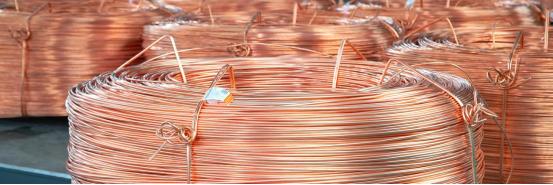
- Material Selection: The most commonly used conductor material is copper or aluminum due to their excellent electrical conductivity. High-quality copper or aluminum rods are selected as the raw materials. For some special applications, materials like silver or gold may also be used, but they are relatively expensive and not widely used.
- Drawing Process: The selected copper or aluminum rods are drawn through a series of dies to reduce their diameter and obtain the desired conductor size. This process requires high precision to ensure the uniformity of the conductor’s diameter and excellent electrical conductivity. During the drawing process, lubricants are often used to reduce friction and prevent damage to the conductor.
- Insulation Coating
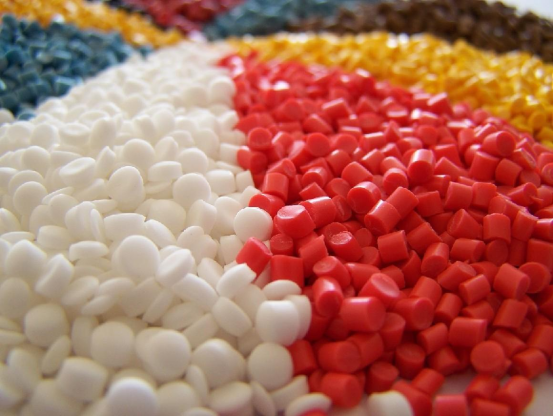
- Material Preparation: Different types of insulation materials are used, such as PVC (polyvinyl chloride), PE (polyethylene), and XLPE (cross-linked polyethylene). These materials are selected based on the specific requirements of the cable, such as operating voltage, temperature resistance, and environmental conditions. The insulation materials are prepared in the form of pellets or powders.
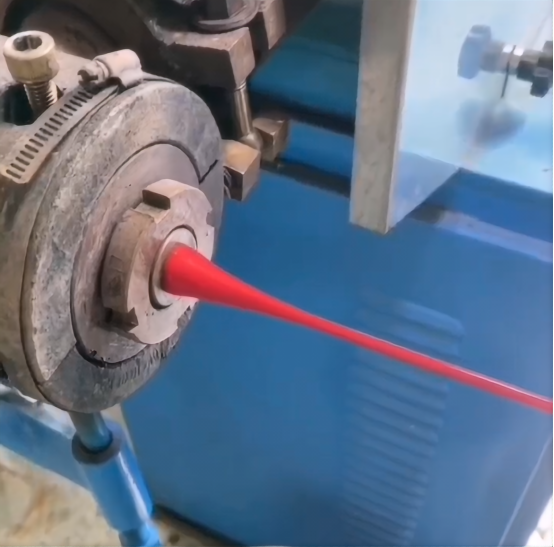
- Extrusion Process: The prepared insulation materials are extruded onto the surface of the conductor using an extrusion machine. The extrusion process is carried out at a high temperature and pressure to ensure that the insulation material is tightly coated on the conductor. The thickness of the insulation layer is strictly controlled to meet the electrical insulation requirements of the cable.
- Stranding or Bunching
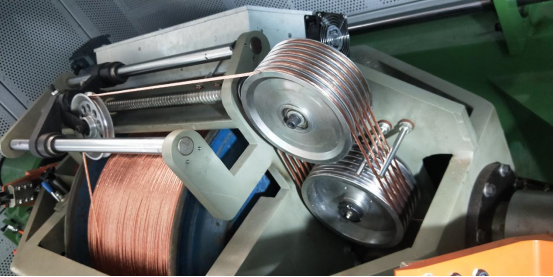
- For Multi-Conductor Cables: If the cable requires multiple conductors, such as in power cables or some communication cables, the individual conductors need to be stranded or bunched together. This process can improve the flexibility of the cable and reduce the electromagnetic interference between the conductors. The stranding or bunching process is carried out using a stranding machine, which twists the conductors together in a specific pattern.
- Filler Addition (if necessary): In some cases, fillers such as cotton yarn or plastic ropes may be added between the conductors to maintain the shape and stability of the cable. Fillers can also help to prevent the conductors from moving inside the cable and reduce the stress on the insulation layer.
- Sheathing
- Material Selection: The sheathing material is used to protect the cable from external mechanical damage, moisture, and chemical corrosion. Common sheathing materials include PVC, PE, and steel tape. The selection of the sheathing material depends on the specific application environment and requirements of the cable.
- Extrusion or Wrapping Process: For plastic sheathing, the extrusion process is similar to that of insulation coating. The plastic sheathing material is extruded onto the stranded or bunched conductors. For steel tape sheathing, the steel tape is wrapped around the cable using a wrapping machine. The overlap and tension of the steel tape need to be controlled to ensure the effectiveness of the sheathing.
- Quality Inspection
- Electrical Testing: After the cable is manufactured, electrical tests such as insulation resistance testing, voltage withstand testing, and conductor resistance testing are carried out to ensure that the electrical performance of the cable meets the requirements.
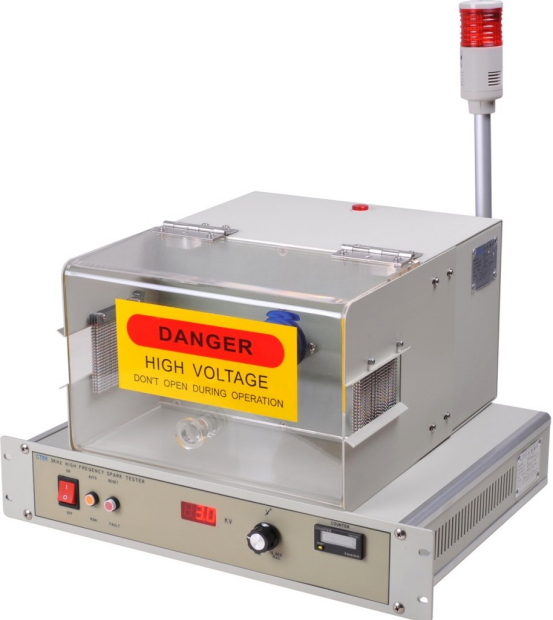
- Mechanical Testing: Mechanical tests such as tensile strength testing, bending test, and impact test are also carried out to ensure that the cable can withstand the mechanical stress in the installation and use process.
- Packaging and StoragePackaging: The qualified cables are packaged according to the customer’s requirements. Common packaging methods include coiling the cable on a drum or packing it in a box. Labels are attached to the package to indicate the cable’s specifications, model, length, and other information.
- Storage: The packaged cables are stored in a dry, ventilated, and temperature-controlled warehouse to prevent damage to the cable due to moisture, high temperature, or other factors.
Post time: Sep-23-2024